If you’re over 40, lifting weights, dealing with perimenopause or menopause, and still eating protein like it’s optional, we need to fix that.
Same for creatine.
These two get treated like “extras” for bodybuilders, gym bros, or people who alphabetize their supplement drawer. Meanwhile, plenty of women in midlife are under-eating protein, skipping strength work, sleeping badly, running on fumes, and wondering why their body feels weaker, softer, foggier, and less cooperative than it used to.
That is not because your body is a broken appliance just because you turned 50.
It is because midlife has rules. Ignore them, and things get harder.
The Big Myth: Protein and Creatine Are Not Just for Bodybuilders
Let’s clear out the nonsense first.
Protein is not just for building visible muscle.
Creatine is not just for men trying to deadlift a small vehicle.
For women over 40, both matter because muscle matters. And muscle is not just about aesthetics. It supports metabolism, joint stability, balance, recovery, blood sugar control, and your ability to do normal life without feeling like every staircase is a personal attack.
Then there’s bone density.
As estrogen drops, the risk of losing bone mass goes up. Strength training helps. Adequate protein helps support the tissue you’re trying to keep. Creatine may also support muscle performance and help you train harder and recover better, which matters because stronger muscles place useful stress on bones. That is how bodies stay capable.
And yes, brain function matters too.
A lot of women notice more brain fog in midlife. Sleep is part of it. Stress is part of it. Hormonal changes are part of it. Creatine is being studied for its potential support for brain energy and cognitive function, which is one more reason it deserves more respect than it usually gets.
No, it is not magic. Nothing is. But it is useful.
Sarcopenia Is Real. Panic Is Not Required.
Sarcopenia is age-related muscle loss.
That sounds dramatic, but the concept is simple: if you do not challenge your muscles and feed them properly, you lose them over time. That process becomes more obvious in midlife, especially during perimenopause and menopause.
This is where women get into trouble.
They do a little cardio, eat like a sleep-deprived raccoon, maybe toss in a salad with six chickpeas and call it lunch, then wonder why they feel weaker every year.
That is not a strategy.
You do not lose muscle because you hit menopause. You lose muscle because you stop giving your body a reason to keep muscle.
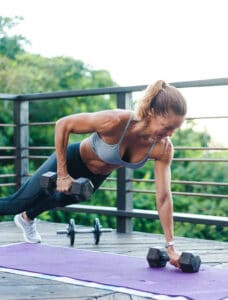
So yes, strength training is non-negotiable. And if you are going to do the training, protein and creatine help support the result.

Why Protein Matters More After 40
There is also the issue of anabolic resistance, which sounds annoying because it is.
As we get older, muscle does not respond to protein as efficiently as it did when we were younger. In your 20s, you could under-eat for half the day, eat something random at night, and bounce back reasonably well.
Midlife is less forgiving.
Your muscles need a clearer signal. That means enough protein across the day, not just a decent dinner after twelve hours of coffee and chaos.
The old RDA for protein is 0.8 grams per kilogram of body weight. That is enough to avoid deficiency. It is not the same as eating to support muscle retention, recovery, strength, and healthy aging.
A more useful target for active women over 40 is 1.2 to 1.6 grams of protein per kilogram of body weight per day.
The Math, Since “Just Eat More Protein” Is Not Helpful
If you weigh 150 lb, divide by 2.2 to get kilograms.
That gives you about 68 kg.
Now multiply:
- 68 x 1.2 = 82 grams per day
- 68 x 1.6 = 109 grams per day
So a realistic daily target is about 82 to 109 grams of protein.
Not 40 grams because breakfast was coffee and vibes.
Not 180 grams because somebody online is yelling.
A sensible range.
The 30g Meal Rule
For most women in midlife, a practical target is around 30 grams of protein per meal.
Why? Because spreading protein across the day gives your muscles repeated opportunities to repair and maintain tissue. Cramming everything into dinner is better than nothing, but it is not ideal.
A simple day might look like:
- 30g at breakfast
- 30g at lunch
- 30g at dinner
That gets you to 90 grams without needing to turn every meal into a chemistry project.
What About Creatine?
Creatine deserves a rebrand, because the internet has done a terrible job with it.
Here’s the practical version: creatine helps your muscles produce quick energy during high-effort work. That means it can support strength, power, training performance, and recovery.
For women over 40, that matters for a few reasons:
- It can help support lean muscle when paired with strength training
- It may help you train with a bit more quality and intensity
- It may support bone health indirectly through better training output
- It may help with mental fatigue and brain fog in some women
Again, not magic. Still useful.
And no, creatine is not a steroid. It is one of the most studied supplements out there. For most healthy adults, 3 to 5 grams of creatine monohydrate per day is the standard, practical dose.
No loading phase required unless you enjoy making simple things unnecessarily annoying.
“But Won’t Protein or Creatine Make Me Bulky?”
This question is still alive somehow.
No.
Eating enough protein and taking creatine will not make you wake up looking like a professional bodybuilder. Building significant muscle takes years of progressive training, enough food overall, and a level of consistency most people are not casually stumbling into.
What protein and creatine can do is help you maintain muscle, recover better, perform better, and stay stronger as you age.
That is not “bulky.”
That is called functioning well.
Practical Food Ideas That Actually Help
If you are trying to hit 30 grams of protein per meal, start here:
- Greek yogurt plus protein powder and fruit
- Eggs plus egg whites with toast or oats
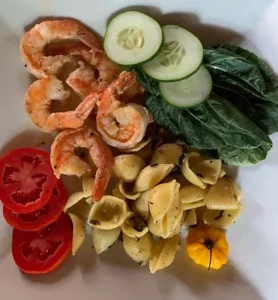
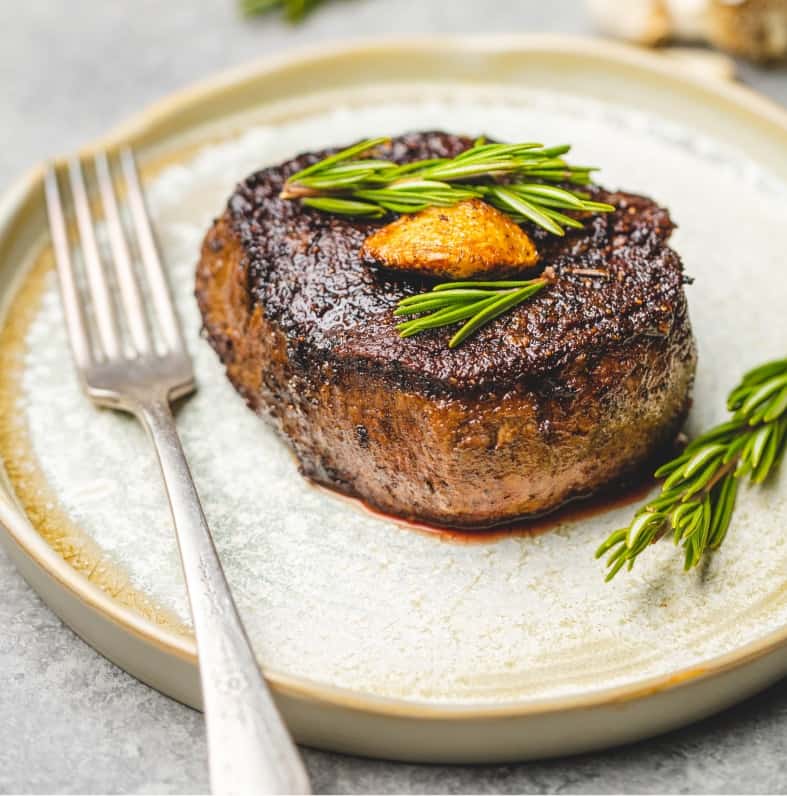
- Chicken, turkey, fish, or lean beef
- Cottage cheese with a side of eggs or smoked salmon
- Protein smoothie with milk or Greek yogurt
- Tofu, tempeh, or edamame paired properly if you eat plant-based
Start with breakfast if that meal is currently a disaster.
Most women under-eat protein early, get ravenous later, and then spend the afternoon picking through snacks like they are foraging. A better breakfast fixes a lot.
Creatine is even easier. Mix it into water, a shake, or whatever you already drink daily. Done.
Actionable Takeaways
If you want the short version without the fluff, here it is:
- Aim for 1.2 to 1.6g of protein per kg of body weight per day
- Use the math instead of guessing
- Try to hit about 30g of protein at each meal
- Strength train regularly to give your body a reason to keep muscle
- Consider 3 to 5g of creatine monohydrate daily
- Care about bone density before you are forced to
- Stop expecting good results from inconsistent habits
This is not extreme. It is basic adult maintenance.
Effort Never Ends
If you want to age well, feel stronger, think more clearly, and stop getting pushed around by every hormonal shift, protein and creatine are not glamorous little extras. They are part of the foundation.
Lift weights.
Eat enough protein.
Take the creatine if it fits.
Repeat long enough for it to matter.
Because real results take real effort, and no gimmick is coming to save you.
If you’re tired of piecing this together on your own and want a plan that fits your actual life, check out our programs here or book a consultation.
Effort Never Ends.